With new developments arising over the respective regions, here are our market highlights for last week.
China
Ever-lasting Tension between the U.S. and China
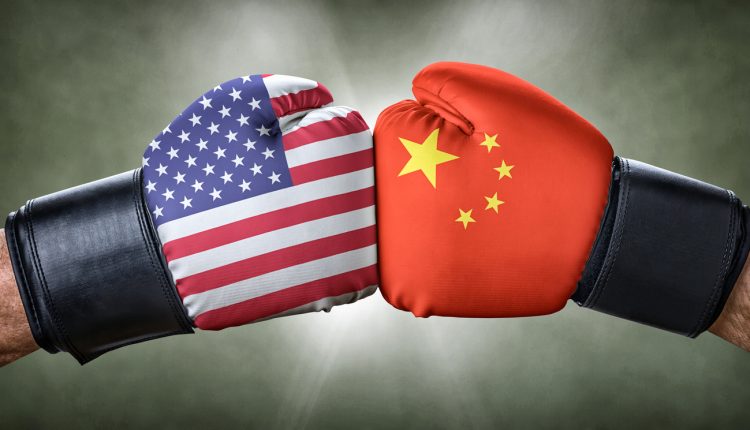
It seems like the tension between the world’s two largest economies is here to stay, with recent clashes on restrictions with tech. Perhaps we are on for a long chip war. Chinese semiconductor producer, Semiconductor ManufacturingInternational Corp (SMIC), has been caught under the gunfire after Huawei, TikTok, and Tencent.
The U.S. has placed restrictions on exports whereby U.S. firms will have to file and apply for a license for the rights to export certain products to SMIC. The country claimed that the purpose of the restriction is due to an “unacceptable risk of diversion to a military end-use.” This claim was denied by SMIC.
This incident does not mark the start of the chip war as the fight over chips between the two countries started long ago. SMIC’s business, in fact, had been hit previously when restrictions were placed on Huawei by the U.S.
UK
Game of Brexit?
As widely expected, EU council summit leaders have agreed to extend the UK-EU trade talks, citing sufficient progress made on the deal while calling for PM Johnson to make concessions on fisheries, fair competition and governance. However, PM Johnson has reportedly told Britons to prepare for a no-deal Brexit and that EU negotiators should come to London on Monday only if they were willing to make concessions on the key sticking issues. Despite this, most analysts do not expect the UK to walk away from the deal just yet. Even if they do, it is likely that the UK negotiators will come back to the table. Such a negotiation tactic comes across as a frantic bid to secure concessions before a last-min deal was done. More importantly, the fact that talks between the two sides have already been scheduled is a telltale sign that the EU and the UK are still committed to getting a deal done.
Meanwhile, new lockdown measures have been imposed in the UK. London is now under the “high” local Covid level along with Essex and York. In the new second tier, businesses are permitted to remain open but not permitted to host guests indoors from more than one household at each table. For businesses, the second tier is likely to leave a greater impact as cities on this tier will not be eligible for the government financial support including the local furlough scheme. As such, with all these factors in mind, we can expect Q420 GDP to reflect a steeper decline than the previous quarter.
United States
Political gridlock

With less than 30 days to the US election, current factors are pointing towards a Biden victory. Biden has pulled ahead of Trump and currently holds a double-digit lead in national polls. However, while the presidential vote counts, we should not sideline the Senate elections too. This cycle, only 35 seats in the Senate are up for re-elections and this is a body which presently has a Republican majority. In the event where Biden is elected as the President, the Democrats legislative powers will be limited if they fail to secure a majority in the Senate. Thus, affecting their decision-making capabilities and we can expect future policies to be passed with greater difficulty.
Elsewhere, developments in the fiscal stimulus is another key focus as of late, evidently from how the US equity market moves along with it. Despite the ongoing political to and fros between the Democrats and Republicans, the key thing to note is that the likelihood of another fiscal bill passing before the election has always low. If anything, the current political state of play now is a game of who bends the knee first.
Next, on the Covid front, the US recorded its biggest daily jump in cases since July particularly in the midwest where the key battleground states are located at. Vaccine wise, the WHO has reported that Remdesivir has no substantial effect on a patient’s chances of survival. Meanwhile, Pfizer will not be applying for emergency use authorization until late November due to the lack of substantial data to support the safe usage of the vaccine. Thus, dampening hopes of a vaccine and the eventual full reopening of economies. If cases continue to surge, it is likely that the Government might have to impose restriction measures in order to contain the spread. This would pose as headwinds to the US economic recovery and we can expect economic data in the following months to underperform.
 The M Word