Overview
With new developments arising over the respective regions, here are our market highlights for last week.
China
Trump bans TikTok and WeChat in the US

US President Donald Trump has exercised his emergency economic powers on Thursday to impose sanctions against TikTok, a popular video-sharing app backed by the China-based Bytedance, and WeChat, a popular messaging and social media app backed by Chinese tech giant Tencent. In the order, which takes effect in 45 days, any transactions between ByteDance, Tencent and U.S. citizens will be strictly prohibited.
This bill, according to experts, may mean that Tiktok and WeChat could no longer receive advertising from US companies and the app could be removed from Apple and Google’s app stores. Even if the apps could be kept in the existing users’ phones, as software updates would no longer be sent, both apps could become unmanageable, non-functional and obsolete in the long run.
The reasoning of the order behind the two apps is that both of these apps could post threats to the US’s national security. While TikTok is open about what data it collects, and the amount of data that is collected is not significantly more than that of apps owned by US tech giants like Google, Facebook and Apple, what makes Tiktok different is that the app’s terms of service state that it can share data with its parent company, ByteDance. This means that TikTok could share its user data with the Chinese authorities. Similarly, WeChat is obliged to share its data with the Chinese government.
While the executive order has been signed lately, Trump has turned up the heat on TikTok since a month ago. As a result, Microsoft has confirmed it is in early talks to acquire the video-sharing platform. If ultimately Microsoft managed to acquire TikTok, this will be the first time the tech titan has forayed into the social media industry, since the company has primarily focused on selling software and cloud services in recent years. Officials at Microsoft said the company could potentially buy TikTok’s American, Canadian, Australian and New Zealand services, and potentially even more.
Hong Kong
U.S. Puts Sanction on H.K. Officials

The Trump administration imposes sanction on Carrie Lam and 10 other senior officials in Hong Kong and mainland China over their roles in curtailing the city’s political freedom. This all started back in June when Beijing announced its National Security Law, which grants security agencies expansive powers. Last month, Trump signed an executive order that seeks to punish China for suppressing political freedom in Hong Kong.
Carrier Lam was penalized since she was, according to Treasury Department officials, responsible for approving Beijing’s policies that sparked dissent in Hong Kong. Police Commissioner Chris Tang and Xiao Baolong are also penalized and will have any of their U.S. assets frozen. The officials are also prohibited from travelling to the United States. Though, such sanctions do not seem to bother Lam as she claims she has no U.S. property and does not want to move to the U.S.
United Kingdom
Review of Bank of England’s Autumn meeting
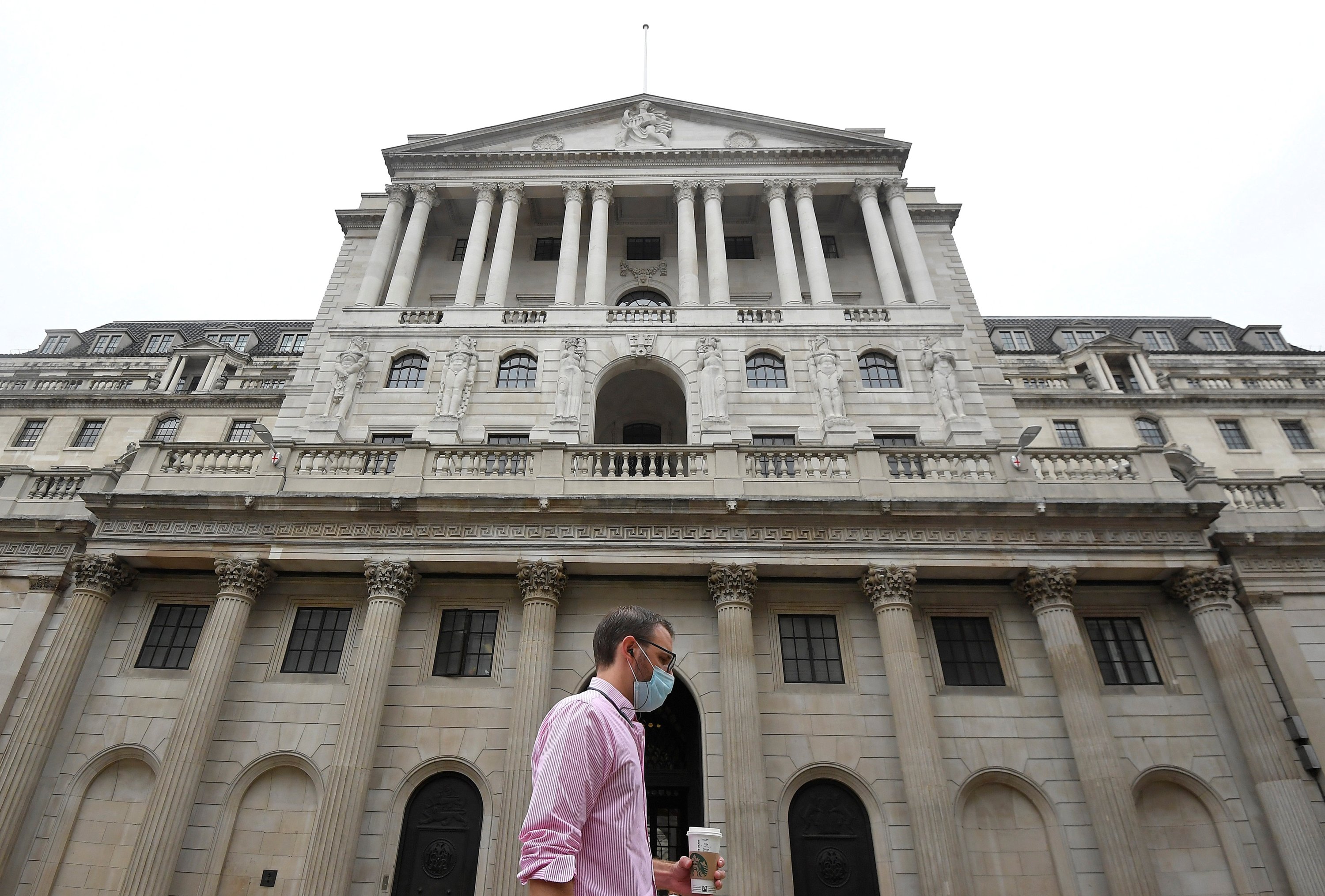
Last Thursday saw the Bank of England’s Monetary Policy Committee members voted unanimously to maintain bank rates at 0.1% and no change to their asset purchase programme. This is unsurprising given that BoE has already boosted their asset purchase by £100 billion in the last meeting and the chancellor has announced extra economy support in his summer statement. Moreover, since the UK economy is already showing signs of recovery due to the easing of lockdown measures, it seems like what the BoE has put out so far is sufficient to last till the year-end. Additionally, given that economic recovery still hinges very much on the development of COVID, it is more appropriate for the MPC to adopt a “wait and see” stance and to hold their fire until the situation calls for it. Therefore, although negative rates is an option on the table, it is regarded as a last resort should alternatives like forwarding guidance and asset purchase be deemed ineffective.
Notably, in the monetary policy report, the BoE’s economic outlook has turned slightly more gloomy. Q4 GDP is forecasted to contract 9.5% YoY, unemployment rate to hit 7.5% and inflation to grow at 0.25% below the targeted 2%. All in all, the situation remains uncertain and that risks to the outlook are still skewed towards the downside.
EU
Europe’s upbeat recovery
The Eurozone is on track to a steady recovery as economic data released reflects an overall positive outlook. Latest retail sales figure for June came in at 5.7% MoM and was up 1.3% from the previous year. This increase comes largely from huge demand in online shopping which could stem from the release of pent-up demand as the lockdown measures were still in place and shops on the high street were not fully opened during that period. Notably, the household savings rate rose in the same period. The question now is will this lead to people spending more in the future or would they choose to save instead in lieu of a long economic recovery?
On the other hand, industrial output in Germany, France and Spain all reported higher than expected figures of 8.9%, 12.7% and 14% respectively with PMI notching 54.9. Despite the positive data, this is expected as lockdown measures were eased and business activity was allowed to resume to a great extent. However, the resurgence of COVID cases in various European nations has sparked fears that lockdown measures would have to be reimplemented to contain the spread which will no doubt dampen the zone’s recovery.
Going forward, the recovery outlook is still upbeat despite it being slower than expected. Similar to other nations, everything hinges on the development of the virus and the government’s ability to contain it.
United States
US Nonfarm Payrolls beat the odds
US nonfarm payrolls came out and beat the odds again as unemployment was expected to be at 10.6% but instead was 10.2 and Nonfarm payrolls increased to 1.763 million which is higher than Wall Street’s 1.48 million estimates. Overall, the job growth rose to about 1.8 Million in the states. The increase is mainly from the food service workers who returned and helped the leisure and hospitality adding over 500 000 in positions. Notable Job gains were also made in July in retail, professional and business services, other services and health care.
Whilst the numbers are positive they are a true reflection of the economy. This depicts that the US economy is moving in the right direction. Despite the economies reopening being delayed or slowed down by the resurgence of the pandemic in the US May. Markets did not really respond to the NFP this time round. Key things to look out for are whether or not Congress will send out another round of stimulus cheques. In the meantime, Trump has signed four executive orders one top extend the unemployed insurance but reducing it from $600 to $400, extend the eviction ban, payroll taxes for anyone earning less than $100 000 to be put on hold till the end of the year and suspend interest rate on student loans.
 The M Word